Comparing Master Planned Communities in Westminster
If you want more than just a house, master-planned living in Westminster and nearby communities is worth a closer look. Many buyers want a home that also connects them to trails, parks, gathering spaces, and a more predictable neighborhood layout. This guide will help you understand what master-planned living looks like in Westminster, how nearby options compare, and what to weigh before you buy. Let’s dive in.
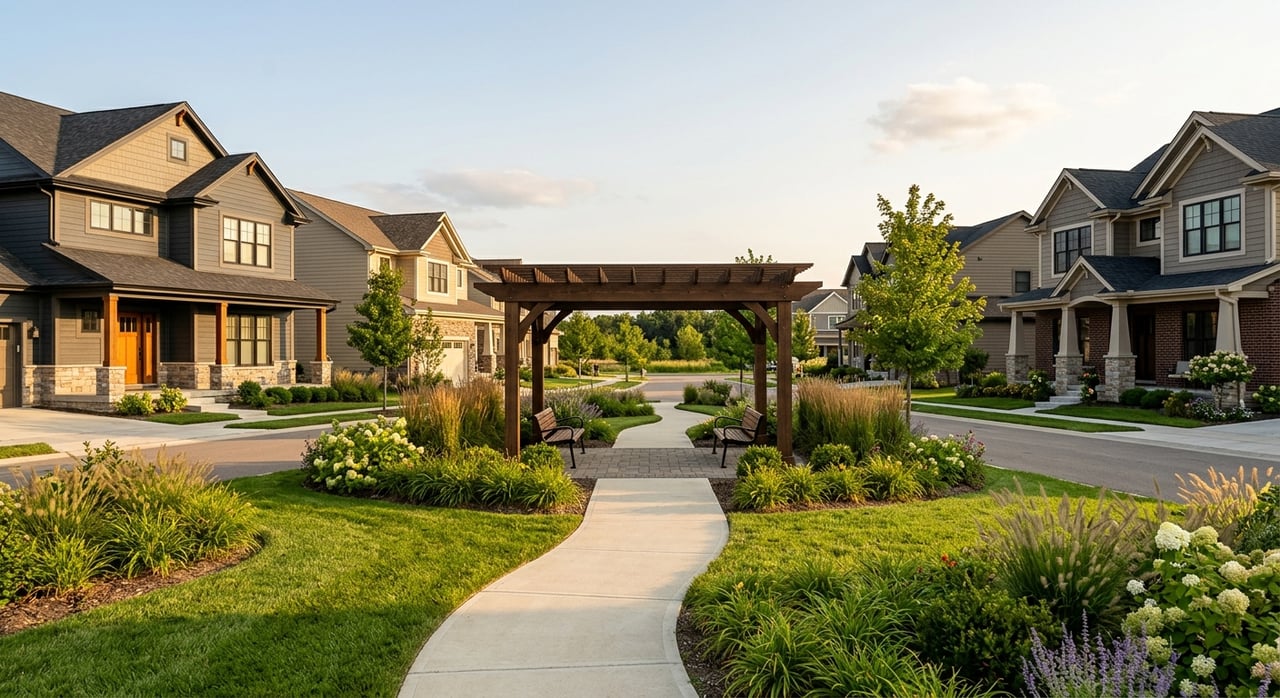
In Westminster, master-planned living is closely tied to the city’s long-range planning framework. The city’s 2040 Comprehensive Plan and Planned Unit Development zoning shape how some mixed-use and residential areas are designed over time. That means many of these communities are built with a bigger vision for land use, connected spaces, and neighborhood layout.
In practical terms, you will often see a mix of housing, parks, trails, and shared amenities working together in one community plan. Westminster also highlights 120 miles of trails and more than 3,000 acres of open-space property, which helps explain why outdoor access is such a big part of the local lifestyle. For many buyers, that combination is a major draw.
One of the biggest advantages of this market is variety. Master-planned living around Westminster is not limited to one housing style or one kind of buyer.
Depending on the community, you may find:
That range gives you more ways to match your budget, space needs, and day-to-day routine. Some communities lean toward traditional neighborhood planning, while others feel more like a mixed-use village or urban-style downtown district.
Bradburn Village is one of the clearest local examples of walkable, village-style planning. This 125-acre mixed-use development includes four neighborhoods, nine parks, two recreation centers, access to 45 miles of trails, and more than 750 homes, townhomes, and row-house apartments.
Its commercial core includes about 100,000 square feet of shops, restaurants, offices, and a Whole Foods Market. The land plan was designed around a pedestrian framework, which gives the area a more connected feel than a standard subdivision. If you like the idea of having daily conveniences and open space built into the neighborhood design, Bradburn often stands out.
Hyland Village, at 98th Avenue and Sheridan Boulevard, was planned as a traditional mixed-use neighborhood. City records describe 111 single-family homes, 165 townhomes, 150 multifamily units, a 3.3-acre mixed-use parcel, and about 11 acres of public land dedication and open space.
The plan also included a private park with a community building and pool, a village green, public trails, and a pedestrian underpass connecting trail systems. For buyers who want a neighborhood with shared amenities and a clear community structure, Hyland Village shows what that can look like in Westminster.
Another useful detail is transparency. The district website posts board meeting information, agendas, minutes, and a community calendar, which gives buyers a real-world example of how some master-planned communities communicate with residents.
Downtown Westminster represents a different version of master-planned living. Instead of a suburban village format, this area is being developed as a mixed-use downtown with commercial, residential, employment, and civic uses.
The downtown specific plan includes townhomes, stacked flats or apartments, and live/work units. This creates a more urban pattern with a mix of uses in one area. If you want lower-maintenance living and a more central, mixed-use environment, Downtown Westminster may be a better fit than a more traditional neighborhood plan.
Aerostat Park is an important part of the Downtown Westminster story. As of mid-May 2026, the city said the park had reached substantial completion and planned a grand opening for May 30, 2026.
The park includes a spray pad, off-leash dog area, open lawns, event space, and areas intended for concerts, art shows, and food markets. These kinds of civic spaces can shape how a neighborhood feels over time. For buyers, that matters because the value of a community is often about more than the home itself.
Uplands is another active Westminster master-planned project to watch. The city says it includes about 40 acres of public parkland dedication across seven parcels, planned as an interconnected system of parks, trails, courts, playgrounds, natural areas, and gathering spaces.
A February 2026 concept-plan notice also described a future village amenity center with two clubhouse buildings totaling 3,170 square feet and a pool. Because the project is still moving through active planning and approval steps, buyers should expect details to evolve. Still, it offers a good example of where Westminster’s next wave of planned living may be headed.
If you are open to areas near Westminster, several nearby communities offer a similar lifestyle with a different feel. This can be especially helpful if you are balancing commute, home style, or amenity preferences.
Arista is a transit-oriented master-planned development with a pedestrian town center. It includes retail, dining, hotel, office space, and housing options such as live/work lofts, flats, townhomes, paired homes, and apartment communities.
Arista is a strong comparison if you want a more urban block pattern and the convenience of mixed uses nearby. It shows how master-planned living can feel denser and more transit-connected than a traditional suburban neighborhood.
Baseline describes itself as a connected and sustainable way to live. The community includes single-family homes, townhomes, apartment homes, parks, trails, and planned neighborhood districts.
Its current plan also calls for a future STEM school, a Center Street district for dining and shopping, and Rally Park with tennis, basketball, pickleball, bouldering, picnics, and gathering uses. For buyers who want a newer community with a broad amenity plan, Baseline is worth comparing to Westminster options.
Westerly pairs single-family homes, townhomes, and villas with clubhouses, pools, sports courts, an event lawn, parks, playgrounds, and a planned neighborhood market and restaurant. The community also advertises social programming such as book clubs, kids’ programming, pickleball, tennis, and hot yoga.
This is a good example of how the master-planned model can extend beyond physical design into organized activities and resident programming. If lifestyle amenities are high on your list, nearby communities like Westerly may deserve a spot in your search.
For many buyers, the appeal comes down to convenience and predictability. These communities often offer connected trails, usable parks, shared amenities, and a clearer sense of how the neighborhood is intended to grow.
You may also find that maintenance demands feel more manageable, especially in townhome, paired-home, or lower-yard-maintenance formats. In exchange, you are usually agreeing to more shared rules and fees. That tradeoff works well for some buyers and feels restrictive to others, so it helps to be clear about your priorities early.
Colorado’s HOA guidance gives buyers a useful checklist. Before you commit to a home in a master-planned community, review the governing documents and financial documents carefully.
Pay close attention to:
Colorado also notes that special districts are local governments, which can be important in communities with district-managed amenities or infrastructure. The state further notes that associations may not prohibit xeriscape on property the owner is responsible for. It also says associations may enforce parking restrictions only on private roads.
If you are comparing neighborhoods, these details matter just as much as floor plan or finishes. They affect your monthly costs, your responsibilities as an owner, and how flexible the community feels once you move in.
When buyers tour several planned communities in Westminster, Broomfield, or Erie, it is easy to focus only on the homes. A better approach is to compare the full lifestyle package.
Ask yourself:
Those answers can quickly narrow the search. They also help you avoid buying into a community that looks great on paper but does not actually fit your routine.
The local spectrum is broad. You can find established new-urbanist neighborhoods like Bradburn Village and Hyland Village, mixed-use downtown living in Westminster, and newer village-style communities nearby in Broomfield and Erie.
That is good news if you want options. It means you do not have to settle for one version of master-planned living. You can choose the balance of home style, amenities, location, and neighborhood design that fits how you actually want to live.
If you want help comparing Westminster and nearby communities in a practical, no-pressure way, Michael Brassem can help you sort through the details and find the right fit for your next move.
Our attention goes a long way to help our clients and their family see a successful future.