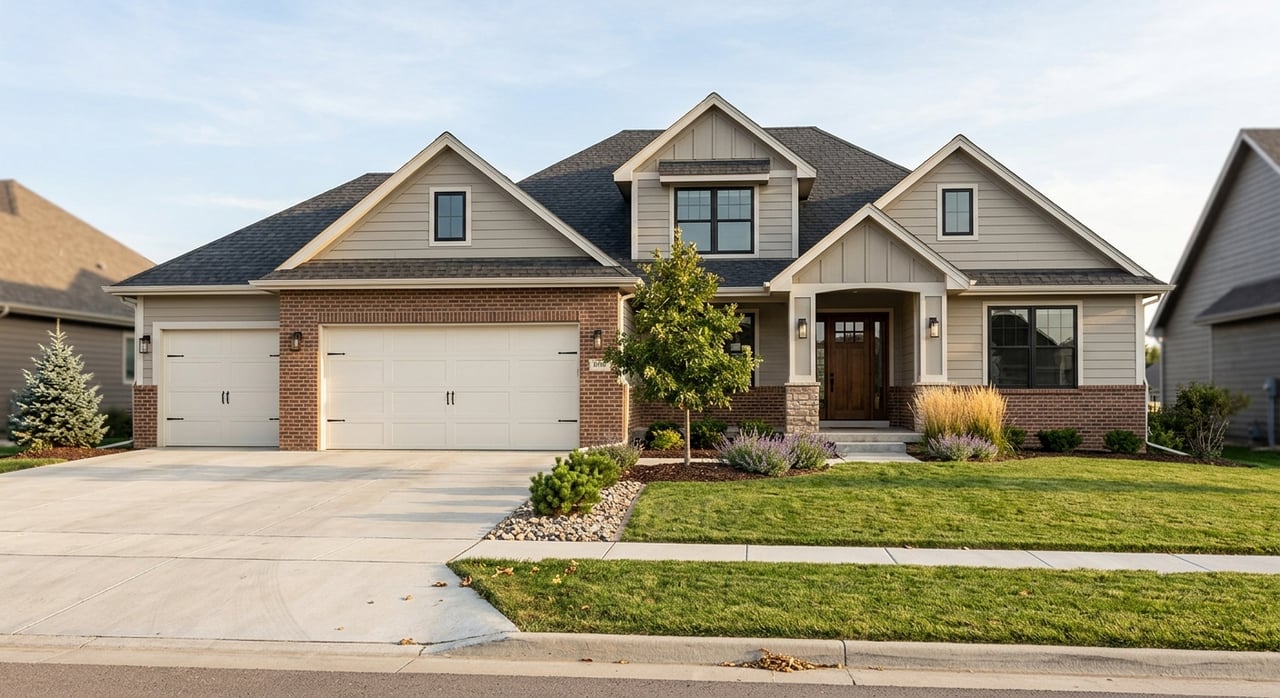
Denver Condo to Suburb Move: Plan Your Next Home
Thinking about trading your Denver condo for a home in the north suburbs? You are not alone, and the move is often less about leaving Denver behind and more about changing how you live day to day. If you want more space, a different outdoor rhythm, and a smoother plan for selling an attached home while buying a detached one, this guide will help you think through the transition. Let’s dive in.
In Denver, many urban neighborhoods are built around attached living. City planning documents describe Denver as walkable, bikeable, accessible, and transit-friendly, with urban amenities concentrated in and around downtown and strong walkable pockets in close-in neighborhoods.
That setup works well when you want shorter errands, nearby retail, and a daily routine shaped by density. Condos, townhomes, and apartments are especially common in areas such as downtown, Capitol Hill, and Cherry Creek.
By contrast, many north suburban communities have a housing mix that leans more toward detached homes. Broomfield’s 2023 housing needs assessment says 63% of its housing stock is single-family detached, and Westminster’s 2023 assessment says detached single-family homes and apartments made up most of its housing stock in 2022.
So the real shift is often not city versus suburb. It is attached urban living versus a more detached home type with a different layout, lot, and lifestyle.
A move from a Denver condo to a north suburb home usually changes your rhythm more than your identity. You may still work in Denver, spend time there, and stay connected to the city. What changes is how convenience shows up in your everyday life.
In Denver, convenience often comes from proximity. You may be used to walkable errands, nearby restaurants, and easier access to transit in certain neighborhoods.
In the north suburbs, convenience often comes from space and outdoor access. Instead of having more things close together, you may have more room at home, more neighborhood recreation, and broader trail and park networks.
One common concern is whether a suburban move will feel less connected or less active. In many cases, the answer is no. The amenities are still there, but they are shaped differently.
Westminster says it has 126 miles of trails. Thornton says it has more than 140 miles of trails and over 2,500 acres of parkland. Erie’s 2025 profile lists 70 miles of trails and 1,500 total acres of parks and open space, while Broomfield’s open-space plan targets about 40% of its planning area as public and private open lands.
That means your lifestyle may shift from walkable urban convenience to recreation-oriented suburban convenience. If your goal is a larger home without giving up access to activity and movement, that tradeoff can feel very workable.
A north suburban move does not automatically mean a dramatically longer commute. In many cases, the bigger change is the route or transportation mode rather than total time.
Census QuickFacts shows mean travel time to work in a fairly similar range across several local communities: Denver at 24.9 minutes, Broomfield at 25.5, Westminster at 27.0, Northglenn at 27.9, and Erie at 25.6. Your actual commute will depend on where you work and whether you drive, use rail, or mix both.
For many buyers, the key question is not, “Can I still get to Denver?” It is, “What is the smartest way to stay connected to Denver from the suburb I choose?”
Westminster is one of the clearest options for buyers who want a strong connection to downtown Denver. RTD’s B Line runs between Westminster Station and Union Station, and the city also has Flatiron Flyer stations along the US-36 corridor plus four park-and-ride locations.
If your routine includes downtown access or regional commuting flexibility, Westminster offers multiple tools. That can make the transition from urban condo living feel more familiar.
Broomfield is closely tied to the US-36 corridor. The city describes US 36 as the primary highway connection between Denver and Boulder, with managed lanes, a parallel multi-use path, and improved transit service along the corridor.
For buyers balancing Denver access with north-metro or Boulder-area movement, that regional position can be especially appealing. It supports a broader commuter map rather than a single downtown-focused pattern.
Thornton highlights RTD bus and rail service, the N Line commuter rail, North I-25 express lanes, Smart Commute, and the North Area Transportation Alliance. If your work or family schedule relies on I-25 access, Thornton may stand out.
It can be a practical fit for buyers who expect to drive more often but still want public transit options available. That flexibility matters when your schedule changes from day to day.
Erie’s 2025 community profile says the town sits just west of I-25 with direct access to I-25, Highway 7, Highway 52, and Highway 287. It also lists reference drive times of 30 minutes to Denver and 35 minutes to Denver International Airport.
If you are comfortable with more of a driving-based routine, Erie may offer the kind of space and open-area feel that draws many move-up buyers north. It is still connected, but the daily cadence is more suburban.
If you are selling a condo or townhome in Denver, your sale comes with a different set of moving parts than a typical detached-home sale. In Colorado, HOA details matter early.
The Colorado Division of Real Estate says HOA maintenance and landscaping are controlled by the board, and the association’s financial health matters. Buyers should review the governing and financial documents they are entitled to under Section 7 of the Colorado Contract to Buy and Sell (Residential).
The Division also notes that most Colorado HOAs, including condominiums and planned communities, must register annually. For you as a seller, that means the HOA side of the transaction cannot be treated as an afterthought.
One of the smartest first steps is gathering HOA documents as early as possible. Buyers will want to understand the rules, finances, and overall structure of the association.
Early review helps you spot issues before your home is listed. It can also reduce delays once you are under contract.
Condo buyers often look closely at monthly dues, maintenance responsibility, and the association’s financial condition. These questions are normal, and having clear materials ready helps create confidence.
If you are moving from an attached home into a detached one, this is one reason the sale side can feel more document-heavy. Strong preparation makes the process smoother.
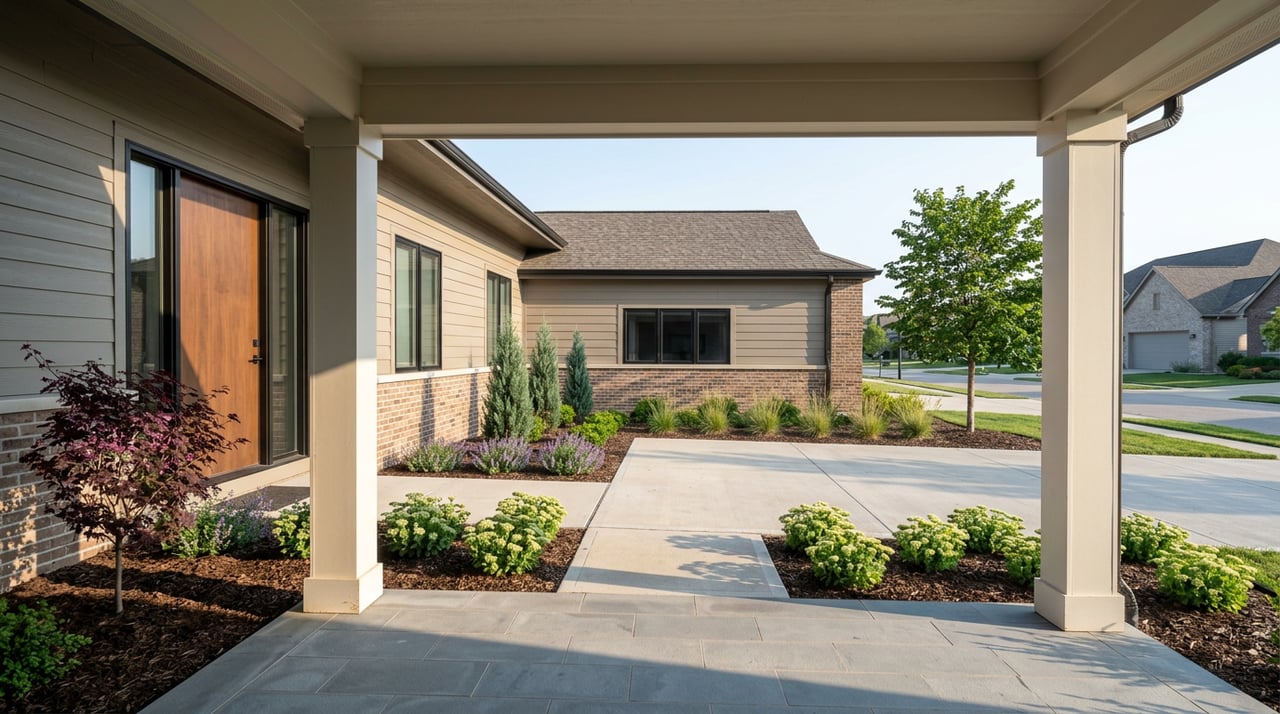
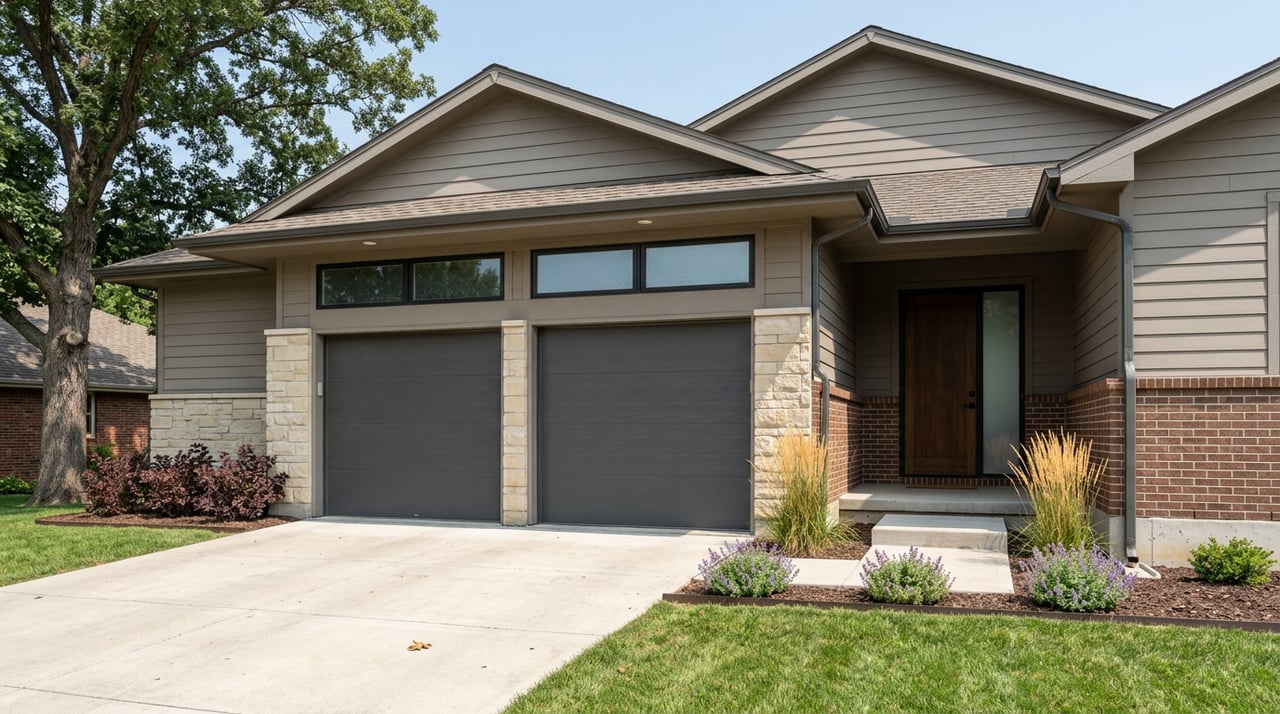
On the purchase side, the north suburban market often means looking at more detached housing options. That can open the door to larger floor plans, more storage, different yard setups, and a more separated home layout.
It also changes what you evaluate. Instead of focusing as much on HOA structure and shared elements, you may spend more time comparing lot use, outdoor space, floor plan function, and commute pattern.
This is why the move should be treated as a two-market transition. You are not just selling one property and buying another. You are moving between two housing forms with different strengths, expectations, and due-diligence needs.
The hardest part of this move is often timing. You are coordinating a Denver condo sale and a north suburban home purchase that may not move at the same pace.
That means your planning should begin before the home search feels urgent. A clear timeline can help you avoid rushed decisions on pricing, preparation, or contract dates.
A practical sequence often looks like this:
This kind of coordination matters because the seller side and buyer side have different workloads. When both sides are managed together, the transition tends to feel far more controlled.
When you are selling an attached home, presentation still matters. Buyers are comparing not only your unit, but also the feel of the building, the association setup, and the overall value proposition of attached living.
A clean, well-prepared listing can help buyers focus on the strengths of your home. That is especially important if your goal is to protect value while moving into a larger suburban purchase.
For many sellers, reducing friction is just as important as maximizing price. A hands-on plan for staging, preparation, and timing can make a major difference when you are juggling a sale and a purchase at once.
There is no single best answer for every buyer. The right fit depends on how you want to live after the move.
If downtown access is a top priority, Westminster may stand out because of its B Line connection, Flatiron Flyer access, and park-and-ride options. If your routine is more tied to US 36, Broomfield may feel like the most natural transition.
If I-25 access is central to your schedule, Thornton may deserve a closer look. If you want a more space-oriented, drive-based lifestyle with strong regional connections, Erie may be worth considering.
The goal is not to recreate your Denver condo lifestyle exactly. It is to find the suburb and home type that best support your next chapter.
If you are planning a move from a Denver condo to a north suburb home, the process goes more smoothly when you treat it as one coordinated transition instead of two separate deals. With the right plan, you can protect your condo sale, stay realistic about commute changes, and land in a home that fits the way you want to live now. When you are ready for personalized guidance, Michael Brassem can help you map out the move with the hands-on care and local insight that this kind of transition deserves.




Our attention goes a long way to help our clients and their family see a successful future.