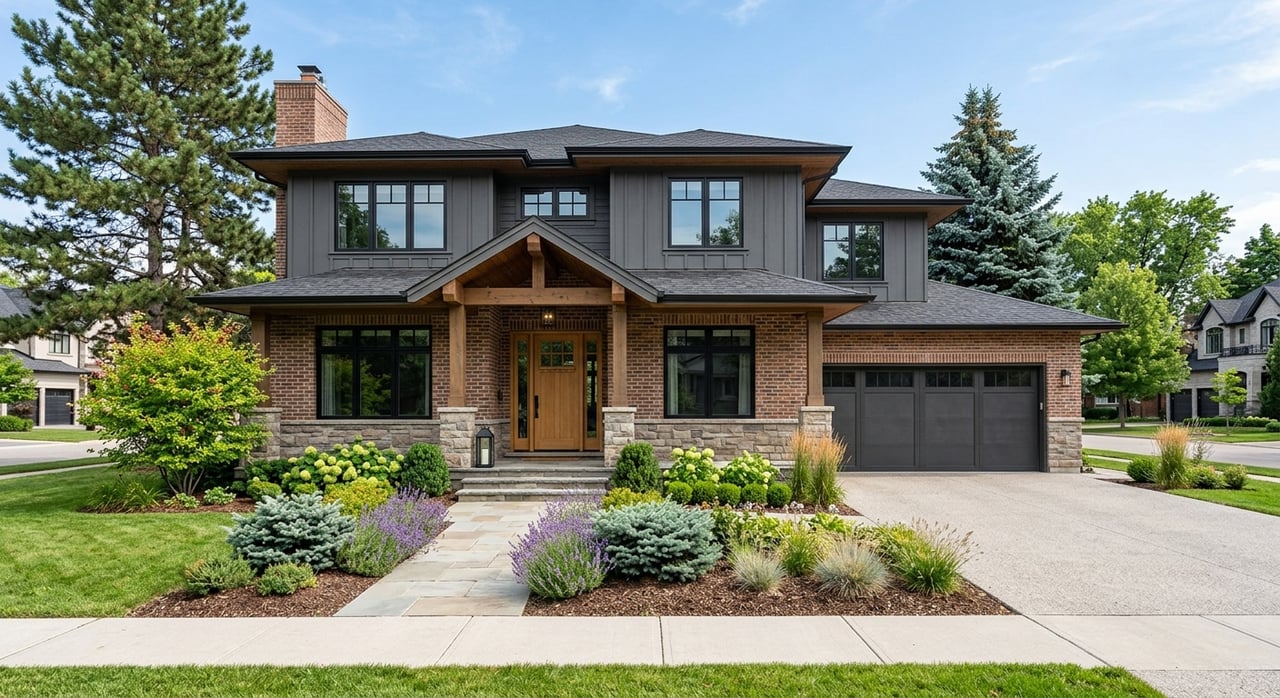
Living in Thornton Colorado: A Guide to Daily Life
Wondering what day-to-day life in Thornton actually feels like? If you are thinking about moving here, or simply trying to narrow down which part of the city fits your routine, that is a smart question to ask. Thornton is a large suburban city with distinct pockets of activity, and understanding those patterns can help you choose a home that supports the way you live. Let’s dive in.
Thornton is home to more than 154,000 people spread across 38 square miles, so it does not feel the same from one area to the next. The city also has a median age of 34 and places a clear focus on connected communities and neighborhood livability. In everyday terms, that creates a city that feels active, practical, and varied.
Instead of one single neighborhood personality, Thornton feels more like a collection of overlapping lifestyle zones. Some areas lean more established and neighborhood-centered, while others feel newer and more tied to shopping, recreation, and future growth. That variety is one reason many buyers find Thornton appealing.
South Thornton includes Original Thornton and some of the city’s earlier subdivisions. City planning materials note that this part of town has a distinct older-subdivision character, which helps explain why it often feels more established than areas farther north.
You can also see that identity in practical ways. The Thornton Community Center offers a separate South Thornton Discount for residents living south of 120th Avenue. That detail says a lot about how this area is recognized as its own part of the city with a long-standing residential base.
For you as a buyer, that can translate into a more rooted neighborhood feel. If you prefer areas with a longer development history and a more settled daily rhythm, south Thornton may be the first place you want to explore.
Central Thornton stands out as one of the city’s strongest everyday recreation hubs. The Carpenter Park and Carpenter Recreation Center area functions as a major gathering place for residents across different ages and schedules.
Carpenter Park includes a lake, boathouse, carousel, sprayground, skatepark, amphitheater, lighted tennis courts, paddle boats, picnic areas, and trails. Nearby, the recreation center adds indoor aquatics, fitness, gymnastics, and indoor walking space. That mix makes central Thornton especially convenient if you want parks and recreation built into your normal week instead of reserved for special occasions.
This part of the city fits the kind of routine many buyers want. You can picture after-school stops, weekend outings, or a quick workout before heading home. When a neighborhood supports those habits easily, everyday life tends to feel smoother.
North Thornton has a different pace. City planning points to future N Line station areas at York/144th and North Thornton at CO 7, and the I-25 corridor includes a large share of regional retail and destination development.
That combination gives north Thornton a more growth-oriented feel. Compared with the south side, it tends to read as newer, more convenience-driven, and closely tied to retail clusters and future transit planning.
If your routine depends on quick errands, newer commercial hubs, or easy access to major corridors, north Thornton may feel especially practical. It is the part of the city where planning, shopping, and future development are easiest to see in real time.
Outdoor access is not just a bonus in Thornton. It is a core part of how the city works. Thornton manages more than 140 miles of trails and more than 2,500 acres of parks and open space, which means outdoor recreation is woven into daily life across the city.
That matters whether you like walking, biking, playground stops, or simply having green space nearby. In many communities, parks feel occasional. In Thornton, they feel built into the routine.
Carpenter Park is one of the clearest examples of Thornton’s lifestyle. It is open daily from 6 a.m. to 11 p.m. and offers trails, picnic pavilions, sports courts, a skatepark, paddle boats, a carousel, and a sprayground.
Because it is open early and late, it fits a wide range of schedules. That flexibility makes it easier to use regularly, whether you are starting your day outside or looking for something active to do after work.
Trail Winds Recreation Center plays a similar role on the north side. It includes an indoor pool, lazy river, water slide, climbing wall, indoor playground, dog-park access, and an indoor walking track.
For residents in north Thornton, that creates another all-ages anchor for recreation and routine. It is the kind of amenity that supports both active households and people who simply want convenient options close to home.
Thornton’s trail system is also part of its civic identity. The Heritage Trail system was approved to help tell the city’s story through trail loops, story nodes, and themed amenity areas.
The city is also working on capital projects including a Big Dry Creek Trail extension and a future trailhead at 152nd Parkway and York Street. That continued investment shows that trails are not an afterthought. They are part of how Thornton plans for long-term livability.
Thornton does not revolve around one traditional downtown core. Instead, shopping and dining are concentrated in practical, car-friendly hubs where you can often handle several errands in one trip.
The city’s Shop Thornton page lists a wide range of centers, including Denver Premium Outlets, Larkridge, Thornton Town Center, The Grove, Hilltop Village, Thornton Plaza, and Thornton Place. For many residents, that means daily convenience comes from choosing the right cluster rather than heading to one central district.
This layout supports a very practical suburban rhythm. You can combine shopping, services, casual dining, and other stops without spending all day driving from one side of town to another.
Thornton’s retail market study adds context here. The city reports vacancy rates of 1.1% for general retail and 2.8% for strip centers, which helps explain why these commercial areas feel active and well used.
Dining in Thornton tends to follow the same center-based pattern as shopping. At Denver Premium Outlets, the Food Pavilion includes places like Satire Brewing, Charley’s Philly Steaks, Ries Pies Pizza and Salad, Starbucks, and Stir Fry 88.
Larkridge also describes itself as a destination for shopping, dining, entertainment, healthcare, beauty, and business services. In simple terms, Thornton’s casual dining scene often feels tied to convenience and mixed-use stops rather than standalone restaurant districts.
One newer example is Chicken N Pickle at The Grove, which combines restaurant service with indoor and outdoor pickleball and event-style socializing. That mix reflects a broader Thornton pattern of combining recreation, food, and community activity in one place.
Thornton has a busy public events calendar, and that shapes the city’s feel in a meaningful way. Programming includes Rhythms & Reels, Eggcessible Eggstravaganza, the Fourth of July Celebration, Paws for a Dip, Thornton Barrel & Beer Festival, Thorntonfest, Thornton Harvest Fest, Thornton WinterFest, and Trunk or Treat.
That kind of schedule helps create a city where there is often something going on beyond work and home. For many buyers, that matters because local events add rhythm and connection to everyday life.
Thorntonfest is one of the best examples of how active the city can be. The city says the event draws about 48,000 to 52,000 visitors annually and includes more than 180 marketplace vendors, over a dozen food vendors, live entertainment, a car show, a beer garden, a Kid Zone, and Paw Fest.
WinterFest adds another layer with Santa visits, a holiday marketplace, and satellite events. Together, these events show that Thornton supports both large seasonal traditions and smaller recurring community moments.
Thornton’s everyday programming goes well beyond major festivals. Arts Thornton runs year-round education programs, performing arts series, community events, history initiatives, public art, and a music series.
The city also offers resources like the Active Adult Center, Trail Winds Active Adult Wing, Thornton Community Center, and Anythink Thornton Community Center. These spaces include things like fitness classes, meal programming, teen space, study rooms, children’s space, and makerspace-style library features.
Transportation is part of daily life in any suburb, and Thornton offers a mix of driving routes and public transit options. RTD provides bus, rail, and airport shuttle service to Thornton and nearby neighborhoods.
The N Line connects Union Station with Thornton-area stations including Original Thornton/88th, Thornton Crossroads/104th, and Eastlake/124th. For some residents, that creates an alternative to driving for regional commuting.
This transit picture also helps explain the city’s different personalities. The south side tends to feel more established and neighborhood-based, while parts of the north side connect more clearly to retail, new development, and future station-area growth.
If you are thinking about buying in Thornton, the big takeaway is simple: your daily experience may depend more on the part of town you choose than on the city name alone. South Thornton, central Thornton, and north Thornton each support a slightly different rhythm.
That is why neighborhood-level guidance matters. When you look past price and square footage and focus on how you actually want to spend your weekdays and weekends, it becomes easier to narrow your search with confidence.
Whether you want an established residential feel, close access to recreation, or convenience near retail and future growth areas, Thornton gives you more than one path. If you want help matching your lifestyle to the right part of the city, Michael Brassem can help you make a smart, local decision.
Our attention goes a long way to help our clients and their family see a successful future.