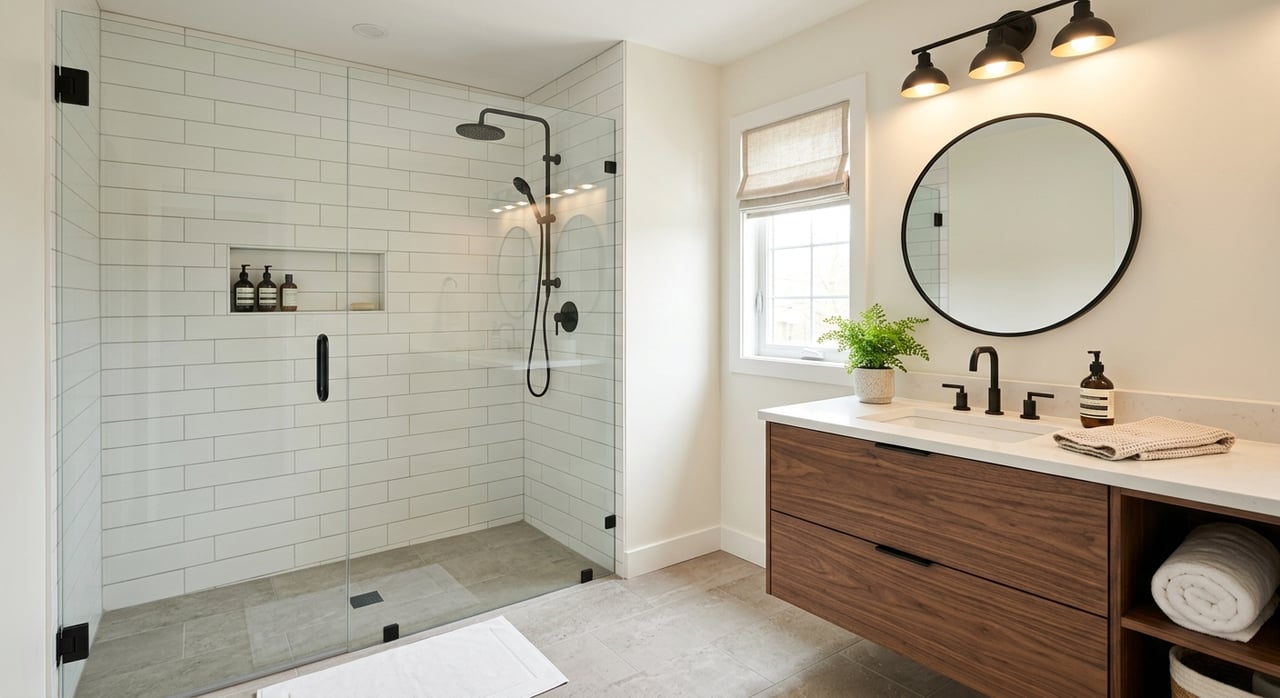
Denver Home Renovation Before Selling: What to Prioritize
Wondering how to make your Denver home stand out without draining your savings before you list it? In today’s market, buyers have more room to compare homes, ask for concessions, and pay close attention to condition. That means smart pre-listing updates can matter more than they did a few years ago. If you are curious about using a renovation program to improve presentation and defer costs until closing, this guide will help you understand what to prioritize, what to watch for, and how to plan your next steps. Let’s dive in.
Denver is moving through a more balanced market than the fast-paced pandemic years. Redfin reports a median sale price of $609,685 for the three months ending April 2026, with homes selling in about 19 days on average. DMAR’s May 2026 report places the metro median sale price at $615,000 and notes that inspection contingencies, seller concessions, and rate buydowns are back in the conversation.
That shift matters if you are preparing to sell. When prices are flatter and buyers have more negotiating leverage, your home’s condition, appearance, and overall readiness can influence both interest and offers. A well-prepared home can help you compete more effectively when buyers are comparing multiple options.
A renovation program can help you complete certain pre-listing improvements without paying the full cost upfront. Through Coldwell Banker’s Seller’s Assurance Program, RealVitalize offers home improvements at no upfront cost, with project costs deducted from sale proceeds at closing. The program also provides access to Angi’s contractor network and a dedicated virtual Angi Project Consultant.
For many sellers, that structure can reduce friction at the exact moment when cash flow feels tight. You may be preparing for a move, handling another mortgage, or managing a life transition that makes extra out-of-pocket spending difficult. A deferred-cost program can make needed updates more realistic.
It is also important to know that not all programs work the same way. Comparable brokerage-supported renovation models exist, but terms, repayment timing, fees, and availability can vary by brokerage and market. In other words, this category is helpful, but it is not one-size-fits-all.
RealVitalize is designed to help sellers tackle improvements that can make a home show better before it hits the market. Depending on the project scope and local program availability, that can include updates, repairs, and other presentation-focused work. The key benefit is that the cost is deferred until closing rather than paid upfront.
For sellers in the Denver area, this can pair well with a presentation-first listing strategy. If your goal is to create a cleaner, brighter, more polished first impression, a renovation pathway can support that plan without forcing rushed decisions based only on immediate cash needs.
At 4S Residential Group, that approach aligns naturally with hands-on listing preparation. With owned staging inventory, in-house staging support, and complimentary estate-sale assistance, the team’s process is built around reducing seller stress while improving market readiness.
If you are deciding where to spend your effort, visible cosmetic updates usually offer the clearest value before listing. According to the 2025 Remodeling Impact Report from NAR, Realtors most often recommended painting the entire home or painting a single interior room before listing. The same report found high estimated cost recovery for a new steel front door, closet renovation, and a new fiberglass front door.
NAR’s 2025 Profile of Home Staging also showed that 83% of buyers’ agents said staging made it easier for buyers to visualize the property as a future home. In that survey, 49% of sellers’ agents said staging reduced time on market, and 29% said staging increased offers by 1% to 10%. These are national averages, not Denver-specific guarantees, but they are useful directional signals.
For most sellers, the practical takeaway is simple. Start with improvements buyers can see right away and that do not require major disruption.
These projects often help a home feel more move-in ready without the timeline, cost, or permit complexity of major remodeling. In a market where buyers can be more selective, that can make a meaningful difference.
Not every renovation is worth doing before you sell. Large reconfigurations, major structural work, or highly personalized upgrades may add time and stress without delivering the best pre-listing payoff. In many cases, the smarter move is to focus on broad appeal, clean presentation, and visible maintenance.
That is especially true if you want to get to market on a reasonable timeline. A fresh, well-staged, well-maintained home often creates more momentum than a long renovation with uncertain return. The goal is not to make your house perfect. The goal is to make it competitive.
A renovation program can help with planning and funding, but it does not bypass city requirements. Denver states that most projects cannot be handled as quick permits, especially work involving structural changes. Quick permits are reserved for specific trade work such as roofing or siding, electrical, mechanical, and plumbing.
If your home is in a landmark or historic district, review requirements can be more specific. Denver says Landmark Preservation must review roof permits and other exterior quick permits in those areas. Roof work that changes structural framing or involves structural repair does not qualify as a quick permit.
That means you should treat cosmetic improvements and permit-triggering work very differently. Paint, staging, cleaning, and light refreshes are often easier to schedule and complete before listing. Once you move into structural, roofing, or trade-system updates, you need to verify city requirements before work begins.
A deferred-cost renovation program can be a strong fit if you want to improve your home’s appearance but would rather preserve cash before closing. It can also make sense if you are balancing a move, downsizing, or handling an estate sale and want one coordinated plan instead of managing every detail alone.
It may be worth exploring if:
The right answer depends on your timeline, home condition, and program availability through a participating brokerage. A good listing strategy starts with identifying which improvements are likely to help your sale and which ones are better left undone.
In today’s Denver market, the strongest approach is usually focused and disciplined. Start with the upgrades that improve first impressions, support online photos, and help buyers picture themselves in the space. Then weigh those improvements against your timing, budget, and any local permit requirements.
For many sellers, that means prioritizing paint, staging, decluttering, curb appeal, and small finish updates over major construction. If you can combine those improvements with a program that defers costs until closing, you may be able to improve market presentation without adding as much financial strain before the sale.
That is where tailored guidance matters. A boutique team that can evaluate your home, recommend the right level of prep, coordinate staging, and help you understand available renovation pathways can save you time and help you avoid over-improving.
If you are planning a Denver sale and want a calm, strategic plan for getting your home market-ready, Michael Brassem can help you weigh staging, deferred renovation options, and the smartest next steps for your timeline.

Our attention goes a long way to help our clients and their family see a successful future.