Home Staging Tips for Westminster, Colorado Sellers
If you are getting ready to sell in Westminster, you may only get one chance to make a strong first impression. In a market where buyers can move quickly, the homes that feel clean, clear, and easy to understand often stand out first. The good news is that effective staging does not have to mean a full redesign. With the right strategy, you can highlight your home’s strengths, reduce buyer hesitation, and launch with confidence. Let’s dive in.
Westminster sits across Adams and Jefferson counties, and it offers a mix of detached homes and attached housing. According to the city’s 2023 Housing Needs Assessment, 55% of Westminster’s housing stock in 2022 was single-family detached, with additional inventory in attached housing of both smaller and larger properties. That matters because staging should match the kind of home you are selling, not follow a one-size-fits-all formula.
The same housing assessment found that owner-occupied homes in Westminster are heavily made up of three- and four-bedroom properties. When buyers walk through homes with multiple bedrooms, they want to understand how each room works. Staging helps remove confusion and makes the layout feel more purposeful.
Presentation also matters because Westminster has a large homeowner base. Census QuickFacts shows a 61.9% owner-occupied housing rate and a median owner-occupied home value of $532,400 for 2020 through 2024. In a market with meaningful home values, thoughtful preparation can support a stronger launch.
Recent market snapshots suggest Westminster remains relatively fast-moving. Redfin reported a March 2026 median sale price of $571,000 and 17 median days on market, while Zillow reported a median price of $519,500, 23 days to pending, and 358 homes for sale in late March 2026. Even with differences in methodology, both reports point to the same takeaway: buyers are making decisions quickly.
That speed changes how you should prepare your home. If buyers form opinions within the first showing or while scrolling listing photos, your home needs to look ready from day one. Staging helps you control that first impression before buyers compare your property to the next one on their list.
According to the National Association of Realtors 2025 Profile of Home Staging, 83% of buyers’ agents said staging made it easier for buyers to picture a home as their future residence. That is the heart of staging. You are not decorating for your own taste anymore. You are helping someone else imagine living there.
The same report found that 49% of sellers’ agents said staging reduced time on market. Another 29% said staging increased the dollar value offered by 1% to 10%. While every home is different, these findings support a simple idea: staging can improve both the pace and quality of buyer response.
You do not need to stage every inch of the house with the same intensity. NAR found that the most commonly staged rooms were the living room, primary bedroom, dining room, and kitchen. Those are the spaces where buyers often judge comfort, flow, and everyday livability.
For many Westminster homes, that means your staging budget and effort should go first to the main living areas. If your living room feels open and balanced, your kitchen feels clean and updated, and your primary suite feels restful, buyers are more likely to walk away with a strong overall impression.
Start with the living room because it often sets the emotional tone of the home. Remove extra furniture, simplify accessories, and create a layout that shows how people can gather comfortably. A room that feels too full can make square footage seem smaller than it is.
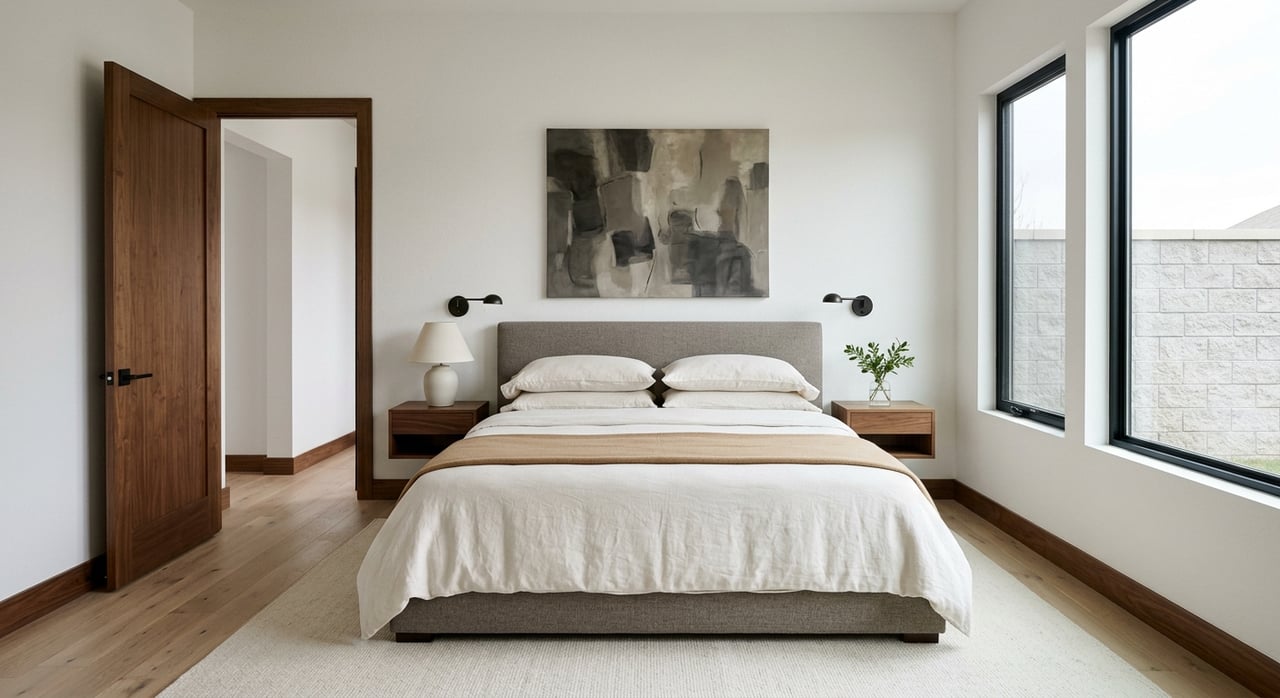
The primary bedroom should feel calm, spacious, and easy to use. Crisp bedding, clear nightstands, and minimal personal items can help. Buyers want the room to read as a retreat, not a storage zone.
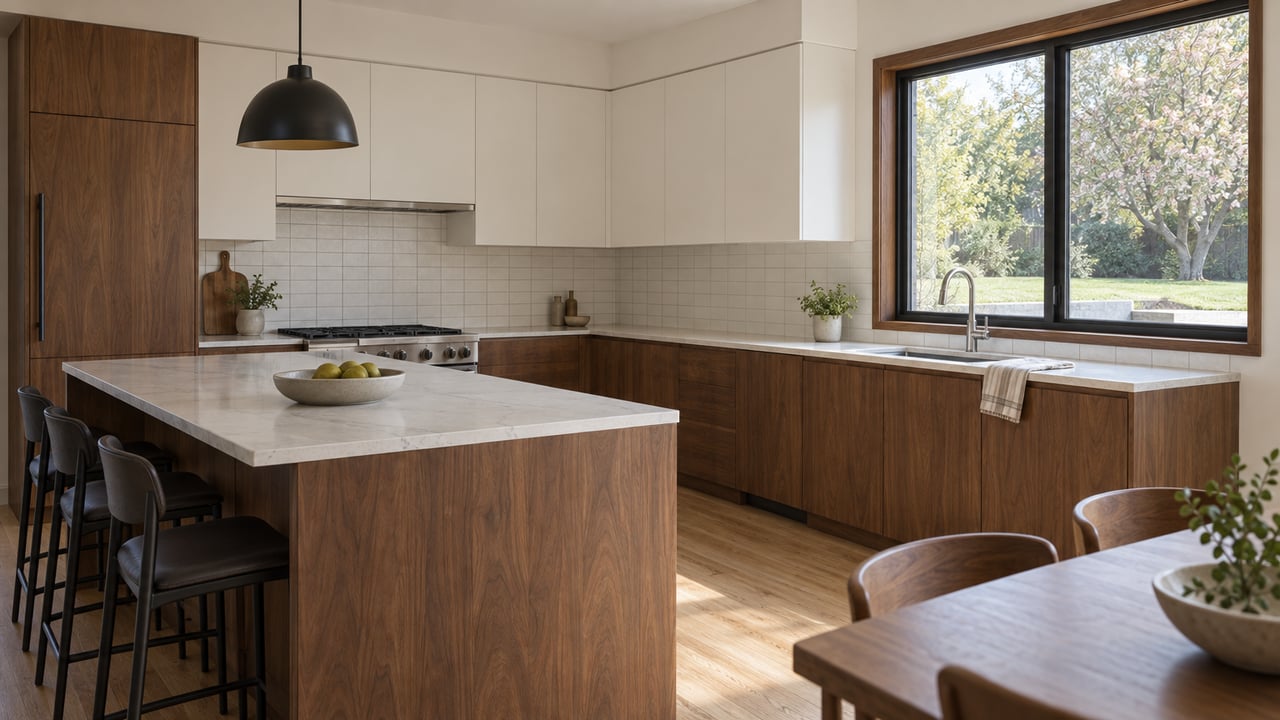
In the kitchen, clear counters matter. Keep only a few items out so the workspace feels generous and clean. In the dining area, a simple table setting or centered decor can help define the purpose of the room without making it feel staged in an obvious way.
Because Westminster’s owner-occupied housing stock leans toward three- and four-bedroom homes, secondary bedrooms deserve more attention than sellers often give them. An empty room can feel smaller or uncertain in purpose. A crowded room can feel like a problem to solve.
Instead, give each secondary bedroom a clear job. One can function as a bedroom, another as a guest space, and another as a clean office or hobby room. The goal is not to tell buyers how they must use the space. It is to show that the home offers flexibility and function.
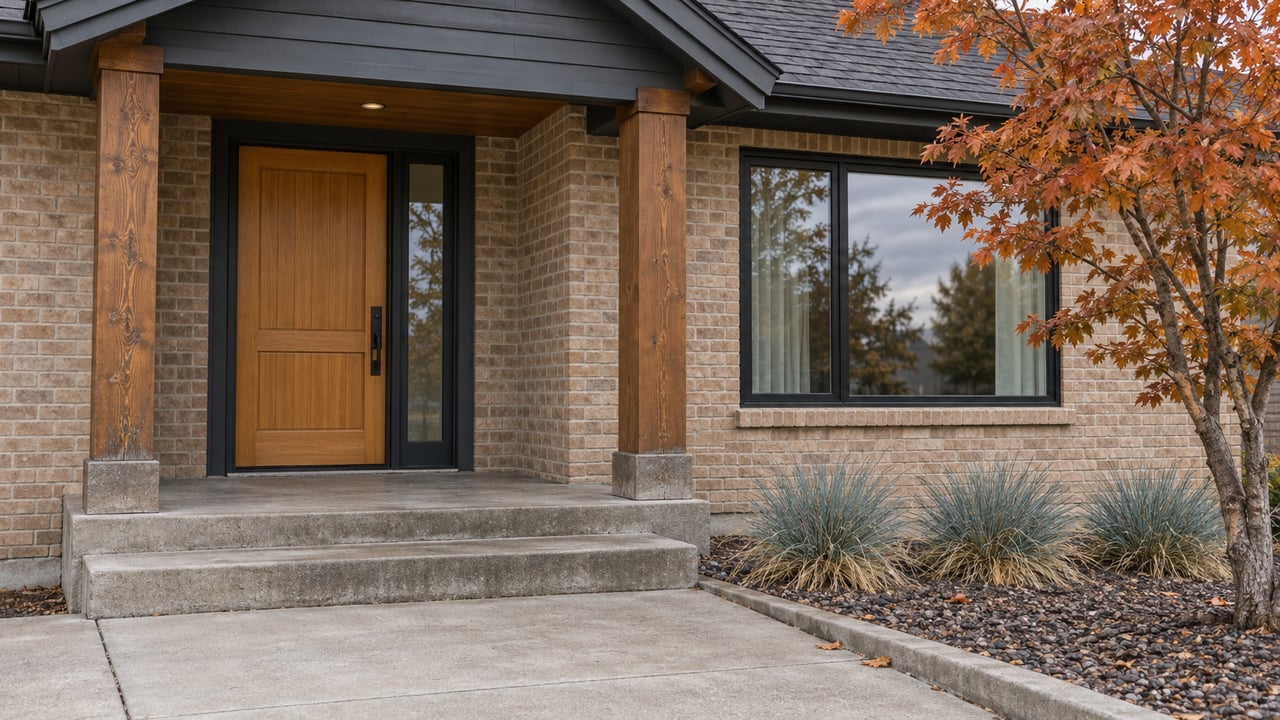
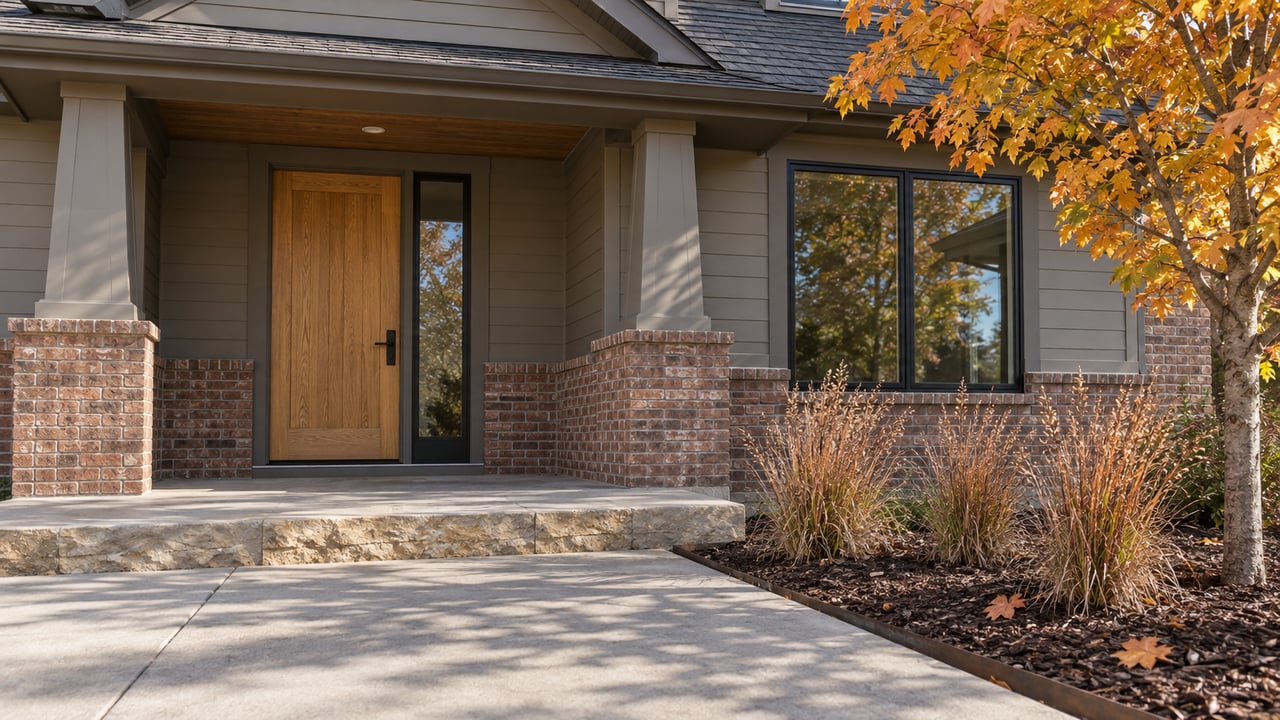
Before you think about furniture placement or decorative touches, start with the basics. NAR reported that sellers’ agents most often recommended decluttering, cleaning the entire home, and improving curb appeal before listing. These were the top preparation steps, ahead of bigger cosmetic projects.
That makes sense. Clutter competes with the features buyers are trying to notice. When shelves, counters, closets, and floors are overloaded, buyers spend more time processing your belongings than understanding the home.
A strong pre-listing checklist often includes:
Staging works best when it is paired with basic home prep. NAR’s report lists minor repairs, painting, carpet cleaning, and grout cleaning among common seller recommendations. These smaller improvements can make a home feel more current without requiring a major renovation.
If your home has signs of wear, focus first on visible distractions. Scuffed walls, dated hardware, dingy grout, or worn carpet can pull buyer attention away from the layout and natural light. In many cases, simple cosmetic improvements deliver a better return than more ambitious projects.
This is especially helpful for homes that have been well lived in over time. You do not need to make the home look brand new. You want it to feel cared for, well maintained, and easy for a buyer to move into.
In a fast-moving market, broad appeal usually beats bold personality. The most effective staging tends to simplify rather than over-style. Neutral finishes, lighter decor, and clean lines help buyers focus on the home itself.
That does not mean your house needs to feel cold. It should still feel warm and inviting. But the warmth should come from balance, light, cleanliness, and thoughtful scale, not from highly personal design choices that may distract buyers.
One of the most important staging mistakes sellers make is waiting too long. According to NAR, buyers’ agents rated photos as highly important, with videos and virtual tours also playing a major role. That means your staging is not just for in-person showings. It is also for the first digital impression your home makes online.
The order matters. Declutter first, clean thoroughly, complete minor repairs, stage the key rooms, and only then schedule photography. If your photos go live before the home is fully ready, you may lose momentum with buyers who never come back for a second look.
For many Westminster sellers, the most practical staging plan looks like this:
This approach fits the local housing mix and the way buyers tend to shop today. It also helps you spend money where it is most likely to have an impact.
Staging is not only about appearance. It is also about coordination. NAR reported a median cost of $1,500 for using a staging service, compared with $500 when the seller’s agent handled the staging themselves. That does not guarantee the same result in every case, but it does show why many sellers look for a team that can simplify the process.
If you are balancing a move, work, family logistics, or an estate transition, fewer moving parts can make a big difference. A clear plan, trusted vendor coordination, and access to staging support can help you prepare your home without turning the listing process into a second full-time job.
The best staging does not try to impress buyers with flashy design. It helps them understand your home quickly and remember it positively. In Westminster, where many homes offer multiple bedrooms and buyers may be comparing several options in a short period, that kind of clarity can be a real advantage.
If you are thinking about selling, the right staging strategy can help your home feel more polished, more functional, and more competitive from the start. When you pair smart preparation with strong local guidance, you give yourself a better chance at a smooth and successful sale.
If you want help creating a staging plan that fits your home, timeline, and goals, reach out to Michael Brassem for a complimentary home consultation.


Our attention goes a long way to help our clients and their family see a successful future.